



Non-stunned Halal
Pasture-raised on UK farms
Temperature-controlled Woolcool packaging
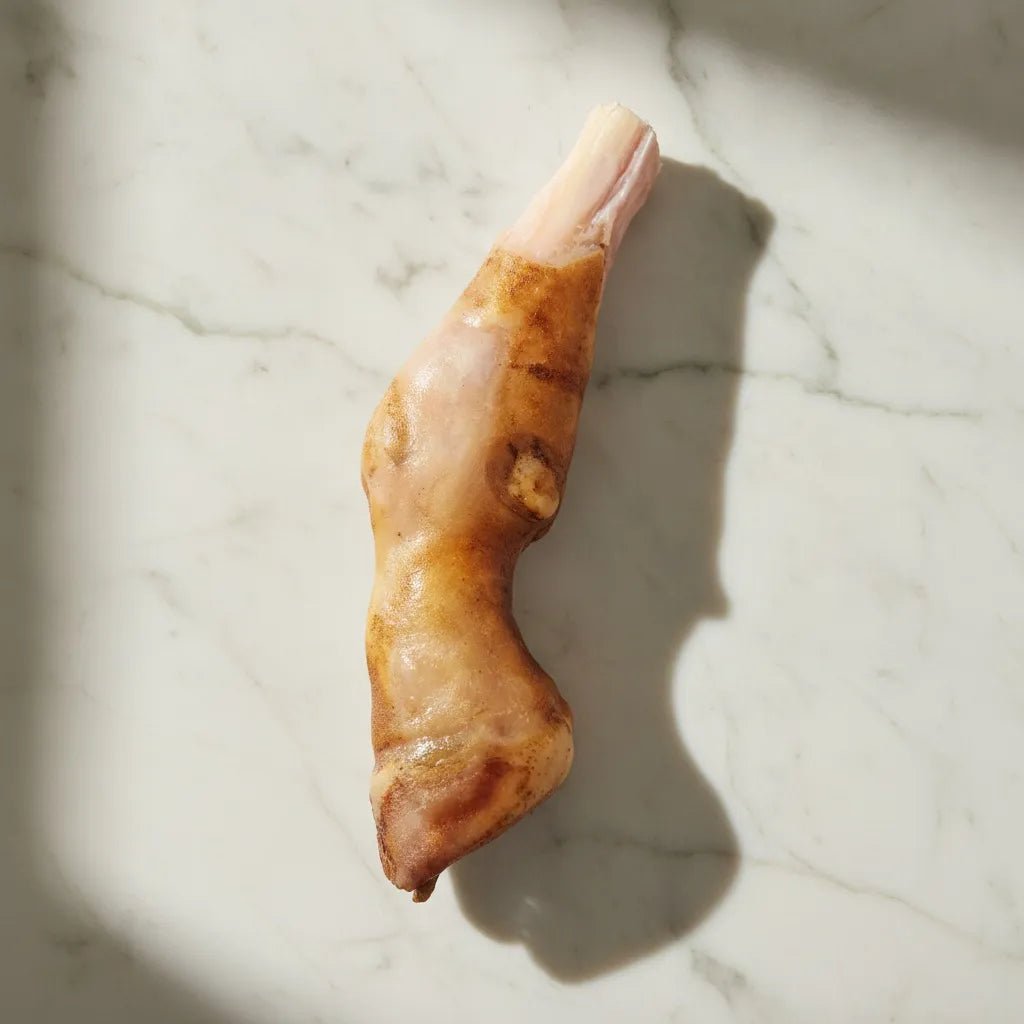
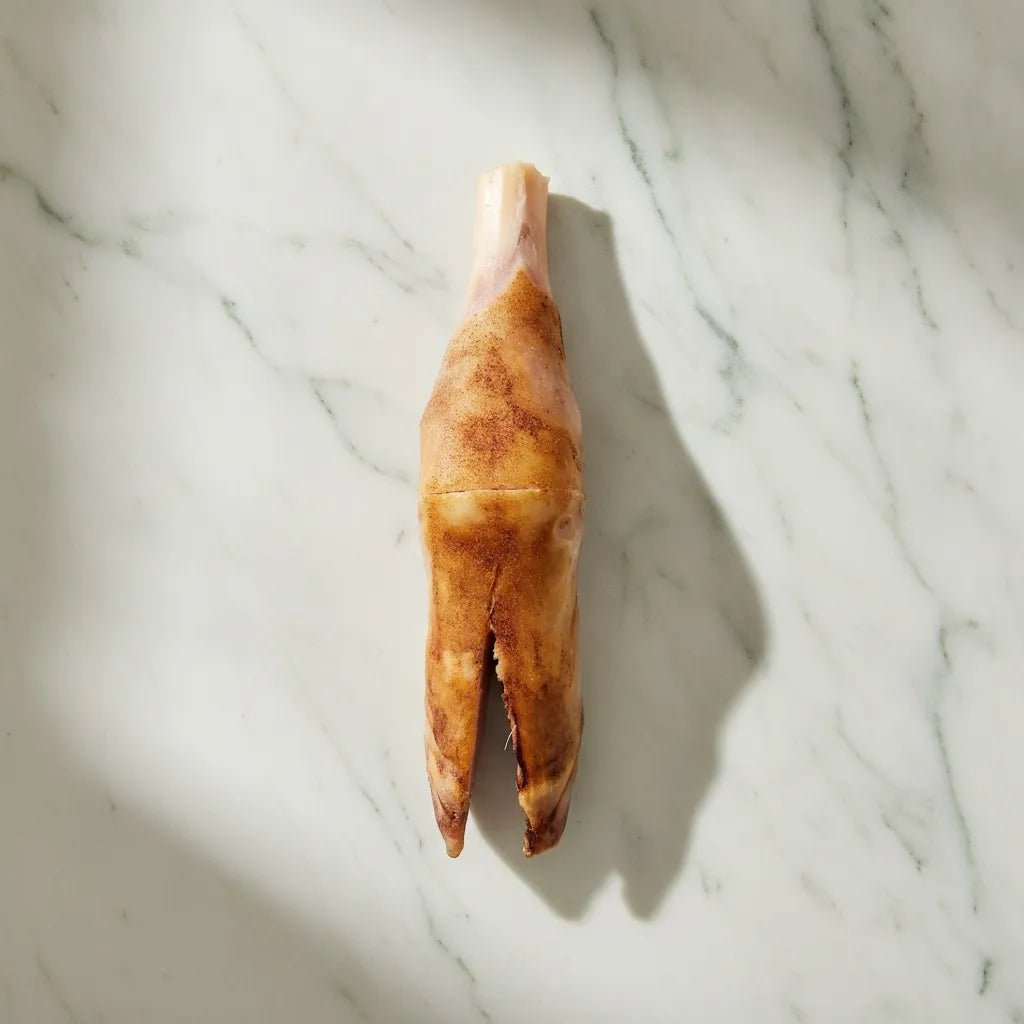
Lamb paya is the trotter — the foot cut South Asian cooks turn to for a slow-simmered paya or nihari. It's Certified Halal, 100% lamb trotter with nothing else added. Choose it whole or diced, fat-on or fat-off, and give it time — the meat falls off the bone once it's properly simmered.
What Comes in a Pack of Lamb Paya?
A paya is the whole foot — skin, bone, cartilage and connective tissue, with barely any lean meat. Slow cooking melts the collagen into a rich, gelatinous stock. It's 100% lamb trotter, fat-on or fat-off, nothing else added.
Cuts, Fat Options and Pack Sizes
- Whole paya — 1 trotter per pack
- Diced 10-15g
- Diced 25-30g
- Diced 50-60g
Whole or diced, each comes fat-on or fat-off, so you decide how much richness ends up in the pot.
Halal Sourcing
Every lamb is slaughtered by the non-stunned method, Antibiotic-free and Growth hormone-free.
Is Paya Just Another Word for Trotter?
Yes — paya is simply the South Asian name for the trotter, the lower leg and foot of the lamb. It's the same 100% lamb trotter either way, whole or diced at 10-15g, 25-30g or 50-60g — the name doesn't change what's in the pack.
Each pack holds one paya, or trotter, whichever way you order it — whole or diced. Trotters are bone- and cartilage-heavy, so most cooks reckon on a couple of paya per person for a curry built around the stock rather than the meat.
For a group meal, order enough packs to cover everyone you're feeding, and pick a diced option if you want the trotter breaking down faster.
Defrost lamb paya fully in the fridge — allow around 12 hours before it's ready to cook.
Once thawed, keep it refrigerated and use it promptly; trotters cook best from a full, even thaw rather than partially frozen.
Paya suits South Asian slow-cooked dishes best — classic paya curry, nihari and siri paya are the traditional routes for it.
It also works well diced into a rogan josh-style gravy, since the long simmer the trotter needs matches the dish's slow-cooked spice base.
Use whole paya for stock-based soups, or reach for the 50-60g dice when you want a heartier curry with more bite.
Slow-Simmered Paya Curry: Brown the trotters first, then add ginger, garlic and whole spices and let everything simmer low for 4-6 hours, until the stock turns thick and gelatinous.
Nihari-Style Stew: Cook diced paya overnight on the lowest heat with a nihari spice mix, then finish with fresh ginger and a squeeze of lime.
Trotter Stock: Simmer whole paya with aromatics for a rich, collagen-heavy stock — a good base for soups and dals.
Does lamb paya have a strong flavour?
Paya itself is mild — most of the flavour comes from the long simmer, the bones and whatever fat is left on. Go for the fat-off option if you want the finished dish lighter.
How do I tone the flavour down if it's too rich?
Choose fat-off over fat-on, skim the stock while it simmers, and finish the curry with a squeeze of lime to cut through the richness.
What actually gives the stock its strong flavour?
It's the fat and marrow rendering out of the trotter over hours of slow cooking — the same process that leaves the stock thick and gelatinous.
How do I know the flavour balance is right?
A well-balanced paya stock tastes rich and savoury without turning greasy on top. If it does turn greasy, skim off more fat or switch to the fat-off cut next time.