



Non-stunned Halal
Sourced from certified UK & EU farms
Temperature-controlled Woolcool packaging
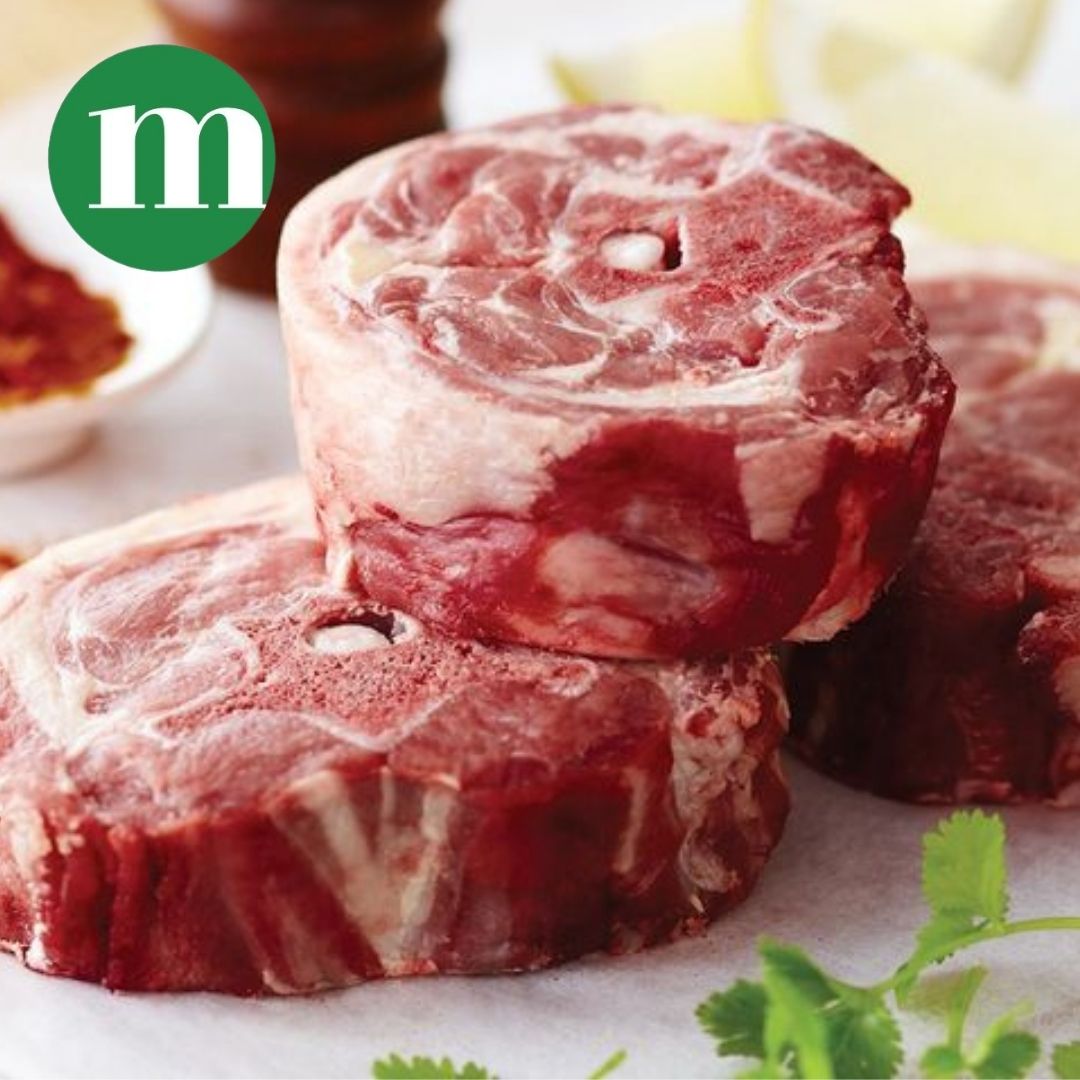
Goat neck is a bone-in cut from young goat, taken from the well-worked neck muscle and prized for slow braises, curries and stock. This Certified Halal goat is 100% Goat Meat, Antibiotic-free and Growth hormone-free, slaughtered by the non-stunned method. It's sold as steaks, diced or chunks, in packs from 500g to 4kg.
How Goat Neck Is Cut and Packed
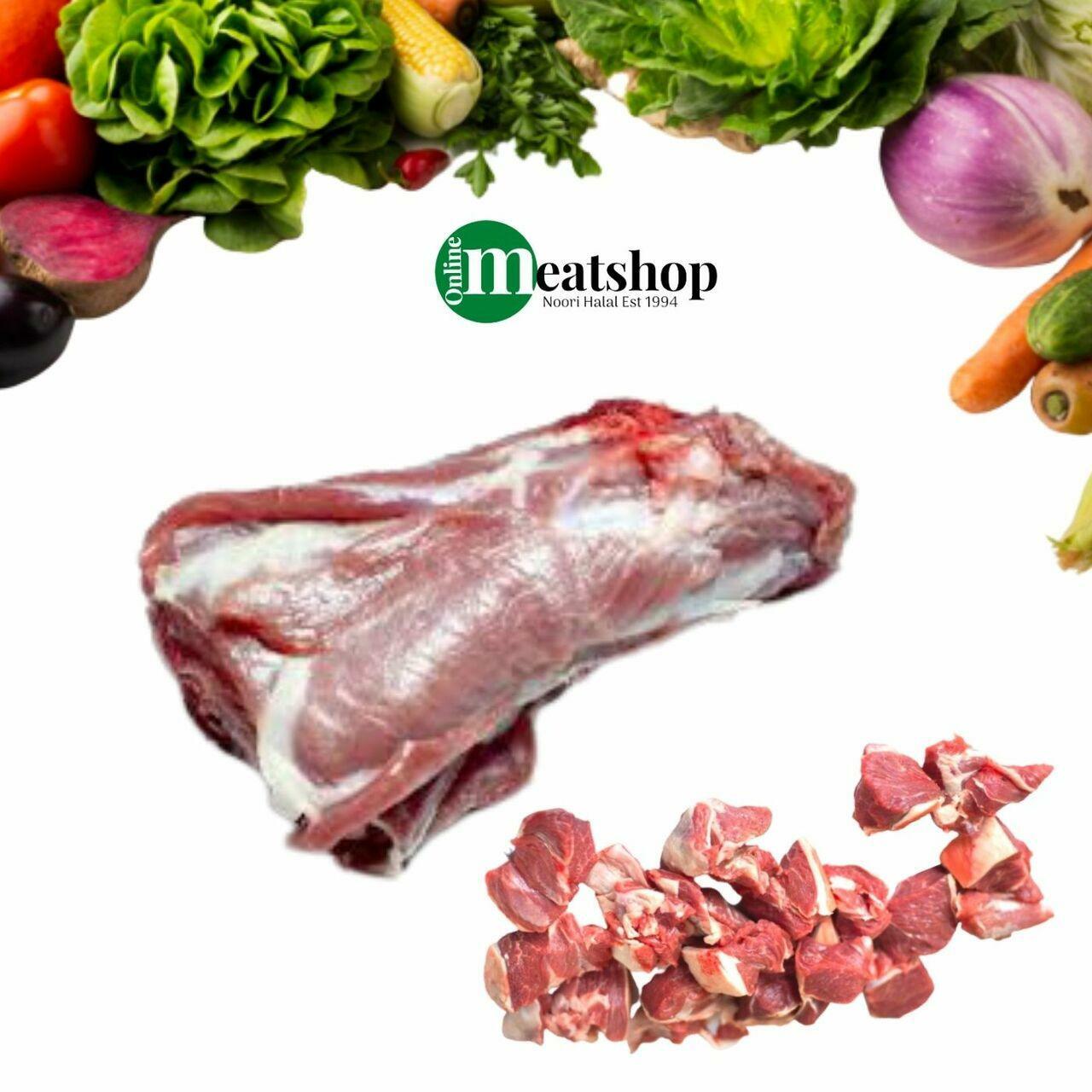
Order it to butcher's spec as Steaks (150-180g), Diced (10-15g), Diced (25-30g), Diced (50-60g) or Chunks (160-180g), each available Fat-On or Fat-Off.
Packs run 500g, 1kg, 2kg or 4kg, so pick a small portion for one pot or stock up for a bigger yakhni batch.
Cooking Goat Neck: Quick Answers
Why not cook goat neck quickly?
It's a bone-in, well-worked muscle with plenty of connective tissue, so a quick sear just turns chewy. Give it an hour or more of low, slow braising — into a stew or yakhni — and it turns soft enough to pull off the bone.
How should it be prepared first?
Defrost frozen neck in the fridge for around 12 hours, then brown it before a long simmer to build flavour.
Is Goat Neck the Same Cut as Mutton Neck?
No — mutton comes from a mature sheep, whereas this is 100% Goat Meat from a young goat with a milder, less gamey flavour than mutton neck.
This goat is produced in the UK, supplied bone-in with more connective tissue than leg or loin — better suited to long, low cooking than a quick roast.
Because goat neck is bone-in, allow more raw weight per portion than you would for a boneless cut — a 1kg pack works for a small family curry, and the 4kg pack covers a bigger gathering or a full batch of yakhni.
Need more? Combine two 2kg packs, or stack a few 500g packs to reach the quantity you're after.
Keep goat neck refrigerated until you're ready to cook, and store any raw trim in a sealed container away from other food.
If it's frozen, defrost in the fridge for around 12 hours before cooking, and cook it fully once thawed rather than refreezing it raw.
Typical values per 100 g (raw):
| Energy | 109 kcal |
|---|---|
| Protein | 20.60 g |
| Fat | 2.31 g |
Basis: goat meat. Reference: USDA FoodData Central, "Game meat, goat, raw" (FDC 175303).
Goat neck is the classic choice for yakhni, the warming clear goat broth simmered with whole spices until the meat falls off the bone.
It also works well in slow-cooked goat curry, nihari-style stews and bone-in goat karahi, where the connective tissue melts into the sauce over a long braise.
Goat Neck Yakhni: simmer the bone-in neck slowly with whole spices until the broth runs rich and the meat pulls right off the bone.
Spiced Curry Braise: brown the Fat-On steaks first, then braise low and slow with tomatoes, ginger and garlic for a thick, spiced gravy.
Neck Stock: simmer the 10-15g diced trim alongside the bone-in pieces for a rich base under soups and daals.
Why isn't goat neck good for quick cooking?
It's a bone-in, well-worked muscle with a lot of connective tissue, so grilling or pan-frying it quickly just leaves it chewy rather than soft.
What happens if I cook it too fast?
The collagen doesn't get time to break down, so the meat stays tight around the bone instead of pulling away easily.
How long should I cook it for the best result?
Plan on a long simmer or braise of an hour or more — the diced and steak cuts (150-180g) all suit the same low, slow approach.
How do I know it's ready?
The meat is ready when it pulls easily away from the bone with a fork and the cooking liquid has thickened into a rich broth or gravy.